How to Manage Nicotine Cravings: A Practical Australian Guide

Contents
How to Manage Nicotine Cravings: A Practical Australian Guide
A nicotine craving is short, predictable and easier to handle when you plan for it. Most urges fade within a few minutes, they cluster around the same times and places each day, and a simple routine of delaying, breathing, sipping water and keeping your hands busy takes the edge off. The rest is planning: knowing your trigger moments and making sure the gaps between cigarettes or vape sessions don’t catch you out. We sell cigarette cartons and disposable vapes Australia-wide, so this guide is written for adults who smoke or vape and want more control over the urge, whether that means getting through a long meeting, stretching the time between smokes or running a steadier routine.
TL;DR
- Cravings usually fade within a few minutes, so the aim is to get through the peak, not to fight it for an hour.
- Use the 4Ds: delay at least five minutes, deep breathe, drink water slowly, do something else with your hands.
- Write down your trigger times and places for a week, then plan a response for each one.
- Running low is a trigger of its own: keep a buffer at home and use order tracking so a delivery never turns into a stressful gap.
- If you want to cut down or quit, free Australian support exists: Quitline on 13 7848, the My QuitBuddy app, and your GP or pharmacist.
Table of Contents
- Why nicotine cravings happen
- The 4Ds: what to do in the moment
- Managing cravings between cigarettes or vape sessions
- Look after the basics that make urges louder
- Running out is a trigger too
- Order what you need, without the scramble
- If you vape: matching strength and flavour to your routine
- When you want more support
- A simple plan for this week
- FAQ
- Sources
Why nicotine cravings happen
Nicotine reaches the brain within seconds of inhaling, and your body adjusts to having it. When levels in your bloodstream drop, you feel it. NSW Health explains that when nicotine levels fall, cravings, irritability and anxiety can begin within a few hours. That is why the urge often shows up in the gaps between cigarettes or vape sessions: your body is noticing the level dropping.
There are two layers to a craving:
- The physical layer. This is the body asking for nicotine again. It is strongest in the first days of cutting down or going without.
- The habit layer. This is the brain linking nicotine with a coffee, a break, a drive or a drink. It is why you can want a cigarette at 10am on the verandah even when you’re not physically “low”.
The same NSW Health fact sheet says physical withdrawal usually improves after the first one to two weeks, while psychological cravings can last longer as the brain relearns to work without nicotine. That is useful to know: a craving that appears out of nowhere in week three is normal, not a sign that you are failing.
How long does a craving last?
The individual urge is brief. Quit.org.au says cravings are short-lived and usually fade within a few minutes. Its page on the first few days after quitting adds that most nicotine leaves the bloodstream within a day, but withdrawal feelings typically last two to four weeks, sometimes longer, and a single craving will usually fade in a few minutes.
So you are dealing with two different timescales. The urge itself is a matter of minutes. The overall adjustment is a matter of weeks. Plan for both.

The 4Ds: what to do in the moment
The most widely used in-the-moment tool in Australia is the 4Ds, set out by Quit.org.au and echoed in the Australian Government’s quit support guidance.
- Delay. Put off acting on the craving for at least five minutes. Set a timer on your phone. The point is to prove to yourself that the urge peaks and drops.
- Deep breathe. Breathe in slowly, hold briefly, breathe out slowly. A few rounds is enough. Square breathing (in for four, hold for four, out for four, hold for four) gives your mind a count to follow.
- Drink water. Sip slowly. It gives your mouth and hands something to do, and it fills the minutes.
- Do something else. Keep your hands busy with a stress ball, a pen to doodle with or a fidget toy. Quit.org.au also suggests cooking, a phone call, brushing your teeth or stepping outside for a brisk walk.
The Australian Government’s guidance adds short bursts of physical activity, talking to a family member, friend or Quitline counsellor, and reminding yourself why you want more control over your nicotine use.
Make the five minutes work
The delay only works if you have something ready to fill it. Decide in advance, not when the urge hits:
- At your desk: a full water bottle and a stress ball in the top drawer.
- At home: a short walk around the block, or a sink of dishes. Movement changes the mood faster than willpower does.
- In the car: sugar-free gum in the console, and a podcast cued up.
- After a meal: brush your teeth straight away. A clean mouth makes the after-dinner ritual less pull-y.
NSW Health’s guidance for young people trying to quit vaping also suggests carrying a snack such as an apple or banana for a craving, because food gives a small lift without nicotine. It works for adults too.
Managing cravings between cigarettes or vape sessions
The gap between uses is where most people feel cravings most. Some of that is physical, but a lot of it is cue-driven. The NSW Health Managing Nicotine Dependence Guide says cravings are set off by cues such as the time of day, social situations, emotional states, places and sensory experiences. Its advice is to identify and avoid triggers where you can and to build coping responses for the ones you can’t avoid.
Run a one-week trigger log
For seven days, jot down every time a strong urge hits: the time, where you were, what you were doing and how you felt (bored, stressed, tired, social). You will see patterns quickly. Most people find three or four moments account for most of their strong cravings.
Then match each trigger to a planned response:
| Trigger | Why it hits | Planned response |
|---|---|---|
| First thing in the morning | Hours without nicotine overnight, plus a strong routine | Water and a shower before anything else; move coffee to a different spot |
| Coffee or tea break | Habit pairing | Take the break somewhere else, or change the order: walk first, drink after |
| Work stress | Nicotine feels like relief | Three slow breaths, then a two-minute walk |
| After meals | Ritual of finishing the meal | Brush your teeth, wash up, step outside for a walk |
| Drinks with friends | Social cue, lowered guard | Hold a drink in your dominant hand; set your pace before you go |
| Driving | Dead time and hands free | Gum, music, a call through hands-free |
| Boredom in the evening | Nothing competing for attention | A task that uses your hands: cooking, a puzzle, a game |
The table is the useful bit. A craving you have already planned for is much less of a surprise.
Stretching the gap
If you want to lengthen the time between cigarettes or vape sessions, change one trigger at a time rather than all at once. Push your first one of the day back by fifteen minutes. Then drop the one that is purely habit, such as the one while waiting for the kettle. The Australian Government’s quitting methods page describes gradually cutting down as a starting point if you are not ready to quit now, and suggests setting a quit date when you are. NSW Health’s guide adds that cutting down to quit gives quit rates comparable to stopping abruptly, so a gradual approach is a legitimate option rather than a lesser one.

Look after the basics that make urges louder
Cravings are harder when you are tired, hungry or wound up. A few steady habits lower the volume:
- Regular sleep. A tired brain is more impulsive. Keep consistent bed and wake times.
- Regular meals. Low blood sugar feels a lot like needing something. Don’t skip breakfast.
- Hydration. Water is part of the 4Ds, and having a bottle within reach makes it automatic.
- Daily movement. Short bursts of activity are on the Australian Government’s list for a reason: they interrupt the urge and lift your mood.
- Support. Telling one person what you are doing gives you someone to message when an urge hits.
Running out is a trigger too
One trigger that rarely makes it onto the lists is supply. Wondering whether you have enough until the next opportunity to buy is stressful, and last-minute trips make the urges feel bigger. If you plan to keep smoking or vaping while you manage the gaps, a steady routine helps:
- Know your weekly use. From your trigger log, you can see how much you actually go through. That lets you buy to a plan rather than in a panic.
- Keep a small buffer. A spare pack or device at home means an unexpected delay doesn’t turn into a bad day.
- Order before you are low. Ordering with a few days in hand means the delivery window doesn’t matter.
- Track the parcel. Knowing when it will arrive removes the guesswork.
Order what you need, without the scramble
We’re an Australian online store for cigarette cartons, disposable vapes and multi-pack bundles. Orders over A$130 ship free, and you can follow your parcel with shipment tracking. If something looks off with an order, our team is available by phone or email.
If you buy cigarettes regularly, the cigarette cartons range lets you stock up in one go, and our bundles list pack sizes and prices clearly, such as the 6 carton bundle at A$650. For vape users, we list brands and ranges with flavours, formats and availability on the page, including IGET One and Alibarbar Ingot. You can see everything on our home page.

If you vape: matching strength and flavour to your routine
For vape users, cravings often depend on how much nicotine a session delivers and how often you reach for the device. A device with a strength that doesn’t suit you can leave you wanting another puff soon after, which makes the gaps feel shorter. Our guide on choosing the right vape strength walks through how to think about it.
Some vape users also find that much of the pull is the hand-to-mouth habit rather than the nicotine itself. If that sounds like you, our guide to nicotine-free vapes explains what to look at on a listing before you buy.
Variety helps keep a routine interesting. Our Zinger x Voom and OZZI Full Tank ranges list flavour and format details so you can compare before you order.
When you want more support
Plenty of people manage urges with routine alone. If you want to cut down or stop and would like backup, Australia has good free and low-cost options, and they are worth knowing about whatever you decide.
- Quitline. Call 13 7848 to talk to a counsellor or request a callback. The Australian Government’s quitting methods page lists the service hours as 8am to 8pm, Monday to Friday.
- My QuitBuddy. A free app that tracks goals, progress and money saved, listed on the government’s quit support page.
- QuitCoach. An online tool that builds a plan from your habits and lifestyle, also on the quitting methods page.
- Nicotine replacement therapy (NRT). The Australian Government says NRT is available without a prescription from pharmacies and some supermarkets, as patches, gum, oral sprays, inhalers, lozenges and tablets. It notes that using two forms together can improve quit success and that some NRTs are cheaper through the PBS.
- Your GP or pharmacist. If you have a health condition, take regular medicines, are pregnant or are under 18, speak to your doctor or pharmacist before using NRT or any quit medicine, and ask about prescription options.
NSW Health’s guide notes that medication works best alongside behavioural support, which is why Quitline and your GP are often suggested together. The Australian Government is clear that even light smoking carries serious health risks, so if you reach a point where you would like to stop, these services are there for you.
A simple plan for this week
- Days 1 to 3: Keep your trigger log. Don’t change anything yet.
- Day 4: Pick your two strongest triggers and write a response for each from the table above.
- Day 5: Put the tools where you need them: water bottle, gum, stress ball, a snack.
- Days 6 and 7: Use the 4Ds on every urge. Set the timer for five minutes each time and note whether the urge passed.
- End of week: Check your supply against your actual use and place an order with a few days to spare.
After a week you will know your triggers, have a response for each and have the supply side sorted. That is most of the work.
FAQ
How do I stop a craving right now?
Start with the 4Ds: delay at least five minutes, breathe slowly, sip water and do something with your hands. Most urges fade within a few minutes, so the aim is to get through the peak. Walking outside or calling someone also helps.
Why do I get cravings between cigarettes?
When nicotine levels in your blood fall, cravings can start within a few hours. Habit cues such as coffee, stress, meals and social settings also set them off. Tracking when they happen shows you which ones to plan for.
How long do nicotine cravings last?
A single craving usually passes in a few minutes. Overall withdrawal feelings typically last two to four weeks, sometimes longer, and psychological cravings can linger after physical symptoms ease. They come less often and less strongly over time.
What helps with cravings besides willpower?
Changing your routine, keeping your hands busy, eating regularly, sleeping well and staying active all help. Free support includes Quitline on 13 7848 and the My QuitBuddy app. Your GP or pharmacist can talk you through NRT or prescription options.
How can I avoid running out and panicking?
Work out your weekly use from a trigger log and order a few days before you are low. Our orders over A$130 ship free and come with shipment tracking, so you can see when to expect them.
Sources
- Nicotine Cravings: How to Beat Vape or Cigarette Urges (Quit.org.au)
- How to Deal With the First Few Days After Quitting (Quit.org.au)
- Quit support, Give up for good (Australian Government)
- Quitting methods (Australian Government Department of Health)
- Managing Nicotine Dependence Guide (NSW Health)
- Nicotine addiction fact sheet for young people (NSW Health)
Recommended
Related posts

Coughing After Vaping: Causes, Fixes and Red Flags
Coughing after vaping is common. Learn what irritates your throat, how to ease it with technique and device choices, and which symptoms need a doctor.
Continue reading
Cigarette Carton Prices in Australia: 2026 Cost Per Pack
What a carton of cigarettes costs in Australia in 2026, how to work out the price per pack and per stick, and why excise sets the floor.
Continue reading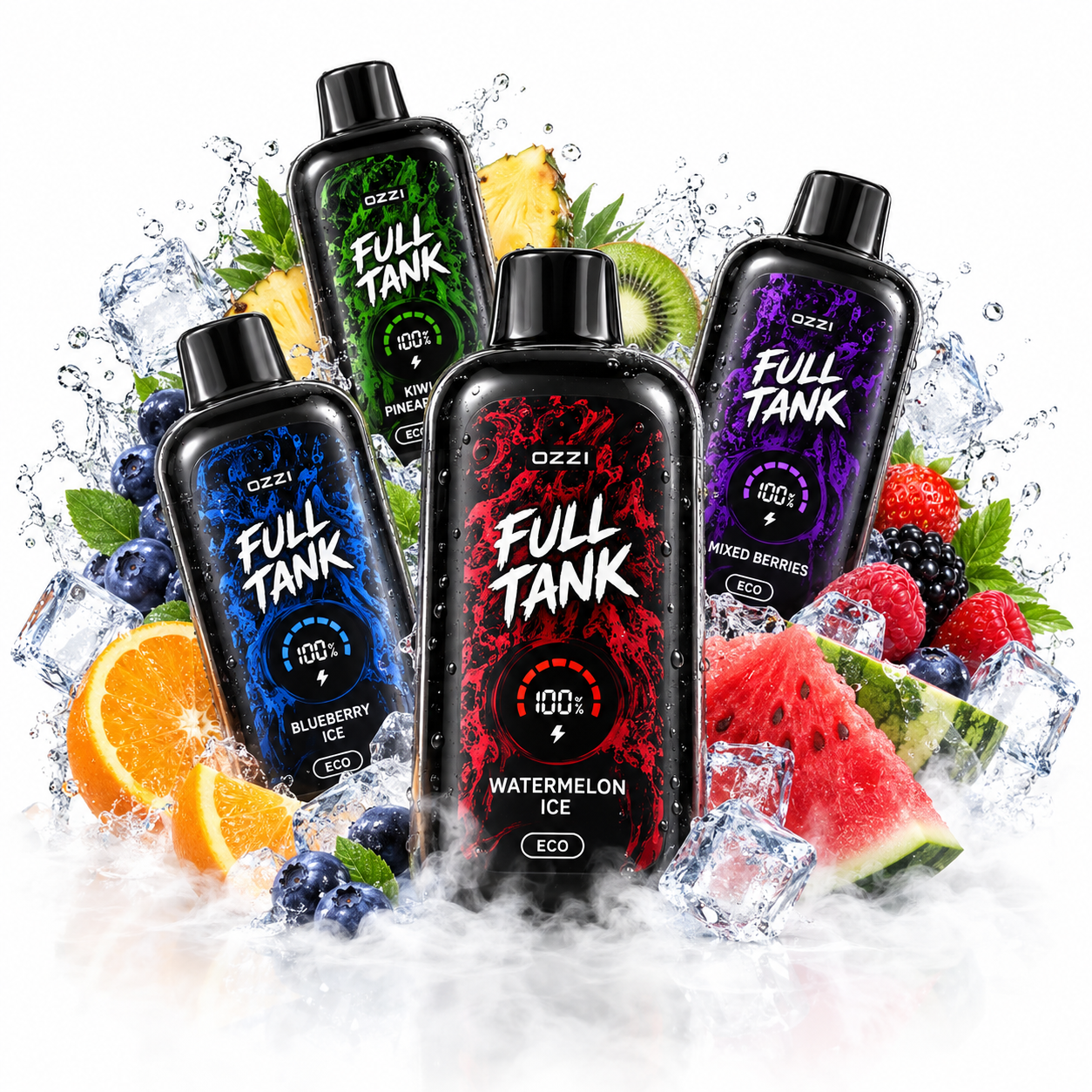
OZZI Full Tank 50K: Specifications and Flavour Guide
Compare the confirmed OZZI Full Tank 50K specifications and navigate its fruit, chilled, mint, tropical and candy-style flavours.
Continue reading