
Coughing After Vaping: Causes, Fixes and Red Flags

Contents
Coughing After Vaping: Causes, Fixes and Red Flags
A cough after vaping usually comes from the aerosol itself. It is warm, drying and can be harsh on the throat. Puff length, device, flavour and nicotine strength all change how harsh it feels. A mild cough that settles is common, and a few adjustments often ease it. A cough that lingers, gets worse or comes with breathlessness or chest pain needs a doctor. This guide covers both sides, so you know what to change and when to stop adjusting and get checked.
TL;DR
- Cough and throat irritation are among the more common early effects of vaping. The RACGP patient handout describes them as usually mild and settling over time.
- The main triggers are dry, hot aerosol, big or fast puffs, a harsh nicotine hit and a flavour or device that does not suit you.
- Slower, longer puffs of about 3 to 4 seconds, a different flavour or a different nicotine strength are the first things to adjust.
- A cough that persists for weeks, or any breathlessness, wheeze, fever, chest pain or blood, needs medical attention. Severe symptoms mean calling 000.
- Our catalogue is organised by brand, range and flavour, so you can compare options before you order.
Table of Contents
- Why vaping makes you cough
- The usual culprits
- Coughing after switching from cigarettes
- How to ease the cough
- Symptoms that need a doctor
- Where we fit in
- What the health bodies say overall
- FAQ
- Sources
Why vaping makes you cough
When you inhale, the device heats e-liquid into an aerosol. Your airway reacts to what arrives: its temperature, dryness, nicotine and flavour compounds. Coughing is the reflex that tries to clear it. If you want the mechanics of how liquid becomes aerosol, our guide to how e-cigarettes work walks through it.
A small study of 76 adults found acute cough after 10 minutes of e-cigarette use in 44 to 50% of never-smokers and 68% of smokers without lung disease. The authors attributed it to protective reflexes in the airway that expel inhaled particles. So a cough does not mean you are doing anything unusual. It means your airway is reacting to something new.
A 2023 review of 168 studies put pooled cough prevalence at 21% among exclusive e-cigarette users. It was 26% among people who both smoke and vape. This is one of the more common symptoms people report.

The usual culprits
Dry throat from the e-liquid base
E-liquid is typically a mix of propylene glycol and glycerol, in ratios such as 70:30, 50:50 or 30:70. A 2024 review in the European Respiratory Journal explains that these humectants draw moisture and cause the dry mouth and throat many users describe. A dry throat coughs more easily. Drinking water before and during a session is a simple first response.
Nicotine strength and throat hit
Nicotine gives a sharper sensation at the back of the throat, and a stronger hit can trigger a cough. The same review notes that nicotine salts, used in newer devices, are better tolerated at higher concentrations because the aerosol is less bitter and drying. If you cough on the first puff but not later, strength is a good suspect. Moving between strengths changes the feel noticeably.
Puff size and speed
A fast, deep drag sends a large, hot volume of aerosol straight down. Most people who cough are inhaling too hard, especially smokers who are used to the draw of a cigarette. A cigarette is a firm pull. A disposable vape needs a gentler one.
Heat and a burnt taste
If the coil is overheating or the device is running low, the aerosol can taste burnt and feel rough. That is a cue to stop and check the device. Our guide on why a vape tastes burnt and what to check covers the common causes, and the practical vape troubleshooting tips cover other everyday problems.
Flavour compounds and what is in the aerosol
Some flavours, especially strong menthol or ice blends, feel cooler and sharper in the throat. Everyone reacts differently. Heating produces other compounds as well. The Thoracic Society of Australia and New Zealand notes that respiratory symptoms including cough, wheeze and shortness of breath are more frequent in e-cigarette users and may improve after cessation. For a plain-language rundown of the contents, see what is in a vape.
Coughing after switching from cigarettes
If you recently moved from cigarettes to vaping, a cough can have two overlapping causes. Your airway is reacting to the aerosol, and it is also adjusting after changes to your smoking. Smokers often notice more mucus and coughing as their airways begin clearing. Many people in Australian vaping communities describe it as a phase that passes within a few months, but that is anecdotal. What the research supports is that symptoms may improve after cessation and that vaping side effects usually settle over time.
If you are making that move, our write-up on moving from cigarettes to vaping collects practical experiences. A comparison of how one vape compares to cigarettes helps you judge how much you are actually inhaling. Fewer puffs means less irritation.
How to ease the cough
The RACGP handout gives a clear set of starting points. Work through them one at a time, so you know what made the difference.
- Slow down your puffs. Take longer, slower puffs of about 3 to 4 seconds each, rather than a quick hard drag. The handout notes a little coughing at first is common.
- Keep sessions short. The same handout suggests about 10 to 12 puffs as needed, rather than continuous use through the day.
- Change the flavour. If one profile always catches your throat, try a smoother one. Mint and ice flavours feel cold and sharp. Fruit profiles often feel softer.
- Try a different strength or device. The handout lists different devices, flavours or nicotine strengths as ways to find what suits you.
- Drink water. The humectants in e-liquid dry the throat, so sipping water between puffs helps.
- Check the device. A burnt taste, a weak draw or a nearly empty device can all make the aerosol harsher.
Change one thing at a time. If you change flavour, strength and puff style together, you will not know what helped.
Choosing a range that suits your throat
Variety is the practical tool here. Our catalogue is organised by brand and range, with flavour, pack format and specifications listed. That makes it easier to compare a mint option such as IGET One 12000 Mountain Spring Mint Ice with a fruit option such as IGET One 12000 Grape Ice or Alibarbar INGOT 9000 Yellow Starburst. If you want a longer-capacity format, the OZZI Full Tank range is listed alongside the others.
If your reason for vaping is moving away from cigarettes, our OZZI Full Tank guide for quitting smoking explains how people approach it.
Symptoms that need a doctor
Most coughs after vaping are mild. Some are not, and these should never be put down to “just the vape”.
Call 000 straight away for:
- severe breathlessness at rest
- blue lips
- new confusion or drowsiness
- chest pain with breathlessness
- coughing up blood or pink-tinged phlegm
Those are the emergency signs listed in an Australian clinical guide to vaping-related lung injury and by the Mayo Clinic.
See a GP or go to an emergency department the same day for:
- a new or worsening cough or breathlessness developing over days, particularly with fever, chills, nausea or vomiting
Book a GP appointment if:
- the cough does not go away after a few weeks
- you have wheezing, thick greenish-yellow phlegm, fever, unexplained shortness of breath or ongoing chest discomfort
- you have asthma and your symptoms are getting worse
The Mayo Clinic advises seeing a health professional when a cough lasts more than a few weeks or comes with those extra signs. The Australian Government’s Department of Health lists persistent coughing, wheezing and shortness of breath among the short-term effects of vaping, so tell your doctor you vape. It helps them work out what is going on.
Asthma deserves particular care. The Australian Drug Foundation notes that young people who vape may have a higher risk of developing asthma or worsening asthma symptoms. Adolescents with asthma who vape regularly have been reported to have more severe symptoms and more school absences, according to TSANZ guidance. If you or someone in your household has asthma, discuss vaping with your GP.
Also keep devices and e-liquids out of reach of children. The NHMRC notes that e-cigarette-related calls to Australian Poisons Information Centres have increased over the past five years, with most poisonings in toddlers and adults.
Where we fit in
We are an Australian online store for cigarette cartons and disposable vapes. Products are organised by brand and range, with flavour, pack format, specifications, pricing and availability listed. That is useful when your fix is to compare a different flavour or format. Orders ship Australia-wide, with order tracking and phone or email support, and shipping is free on orders over A$130.
Start with the range you already use, or browse Alibarbar INGOT, IGET One and Zinger x Voom. The full catalogue is at localcigsandvapes.com.

If you buy several flavours to compare, our bundles are priced per pack. Examples are the IGET One 5 pack for A$295 and the Zinger x Voom 5 pack for A$245.
What the health bodies say overall
Australian health bodies agree on the symptom picture. The Australian Government’s February 2026 FAQs list irritation of the mouth, gums and airways, persistent coughing, shortness of breath and wheezing among the known physical effects. The NHMRC says nicotine-containing e-cigarettes probably result in throat irritation, cough, dizziness, headaches and nausea.
The RACGP describes cough and mouth and throat irritation as the more common side effects, usually mild and settling over time. It also says long-term vaping is less harmful than going back to smoking. The Australian Prescriber’s December 2024 guidance expects a review one week after starting a therapeutic vape to check for effects such as cough and irritated throat. In practice, your GP is the right person to review a cough that does not clear.
One reassuring point: serious vaping-related lung injury (EVALI) has been mainly a US problem, with one case reported in Australia. Even so, a new cough with breathlessness or fever should be assessed the same day.

FAQ
Is it normal to cough when you vape?
A cough is one of the more common effects, particularly in the first sessions. In a 2023 review, about one in five exclusive e-cigarette users reported it. If it is mild and eases as you adjust your puffs, flavour or strength, that fits the usual pattern. If it persists or worsens, see your GP.
Why do I cough on the first puff?
The first puff delivers a dry, warm burst of aerosol to an airway that is not ready for it. A strong nicotine hit or a cooling flavour can add to the reaction. Try a slower, 3 to 4 second puff and sip some water first.
Why am I coughing after vaping when I have quit smoking?
Your airways may be clearing after smoking while also reacting to the aerosol. Respiratory symptoms may improve after cessation. Keep your sessions short and see a GP if the cough lasts more than a few weeks.
Can a different flavour or strength stop the coughing?
Often, yes. The RACGP handout suggests trying different devices, flavours or nicotine strengths. Change one thing at a time so you can tell what worked.
When is a cough after vaping an emergency?
Call 000 for severe breathlessness at rest, blue lips, confusion, chest pain with breathlessness or coughing up blood. Get same-day medical assessment for a new or worsening cough or breathlessness, especially with fever. The emergency criteria are the same whatever device you use.
Sources
- Questions and answers on vaping, Australian Government Department of Health
- Vaping and quitting FAQs, Australian Government, February 2026
- Summary of the CEO Statement, NHMRC
- RACGP patient handout on vaping, AJGP July 2022
- RACGP national guide: Vaping
- Thoracic Society of Australia and New Zealand position statement, Respirology 2025
- Australian Prescriber, December 2024
- Vaping in Australia, Australian Drug Foundation
- E-cigarette use and respiratory symptoms in adults, systematic review 2023
- Acute effects of short term use of e-cigarettes on airways, 2017
- The paradox of the safer cigarette, European Respiratory Journal review 2024
- Vaping and Lung Injury (EVALI), Inspire Clinic
- Cough: when to see a doctor, Mayo Clinic
Recommended
Related posts

Cigarette Carton Prices in Australia: 2026 Cost Per Pack
What a carton of cigarettes costs in Australia in 2026, how to work out the price per pack and per stick, and why excise sets the floor.
Continue reading
How to Manage Nicotine Cravings: A Practical Australian Guide
Nicotine cravings pass in minutes. Use the 4Ds, spot your triggers and plan your day so urges between cigarettes or vape sessions stay manageable.
Continue reading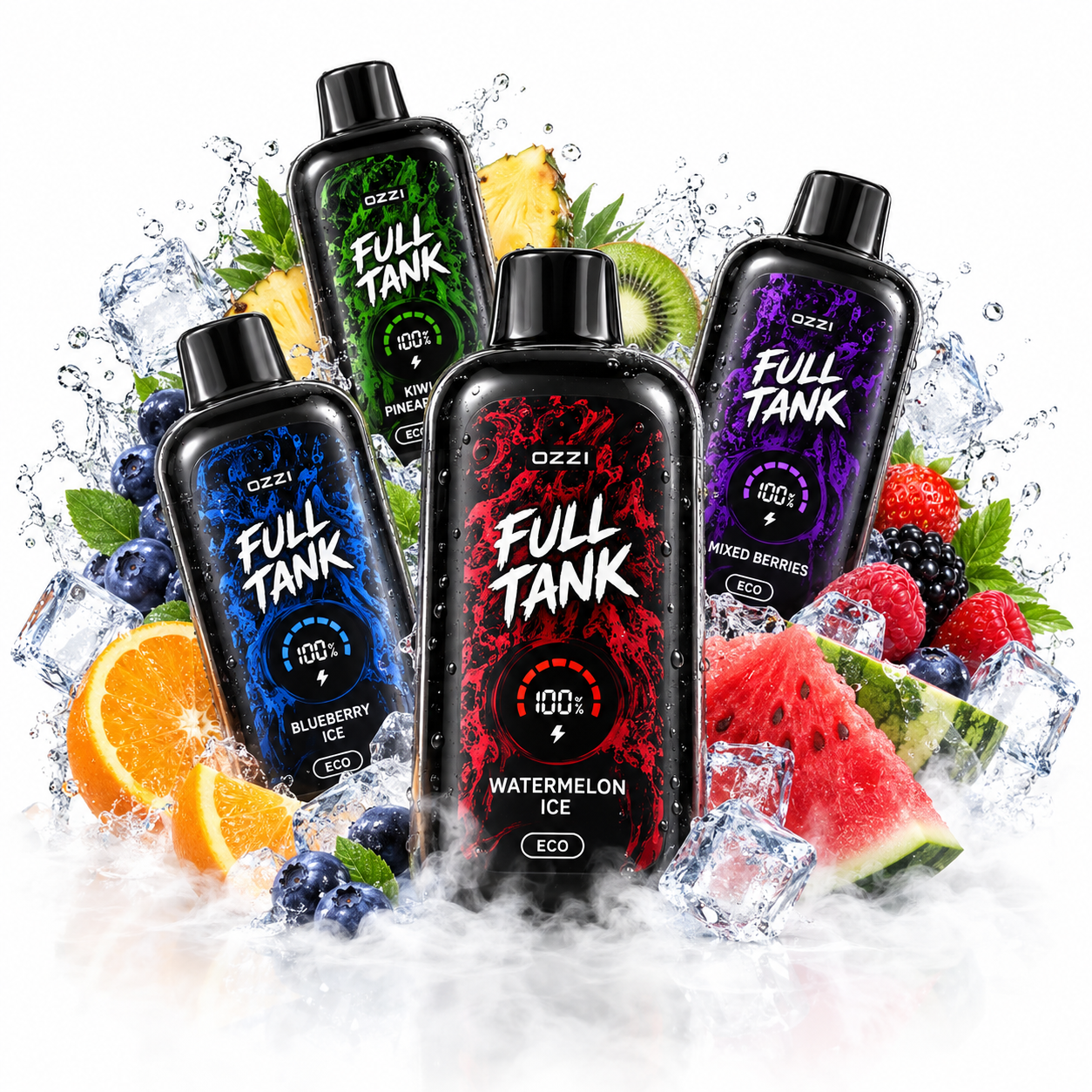
OZZI Full Tank 50K: Specifications and Flavour Guide
Compare the confirmed OZZI Full Tank 50K specifications and navigate its fruit, chilled, mint, tropical and candy-style flavours.
Continue reading